Tamarind Village
A boutique hotel built around a 200-year-old tamarind tree's shade
Transparency
Why This Score
How each of the nine Heritage Hotel Index dimensions was evaluated.
Heritage & Authenticity
40% of HHIReview pending
Review pending
Review pending
Guest Experience
35% of HHIReview pending
Review pending
Review pending
Operational Excellence
25% of HHIReview pending
Review pending
Review pending
About the Property
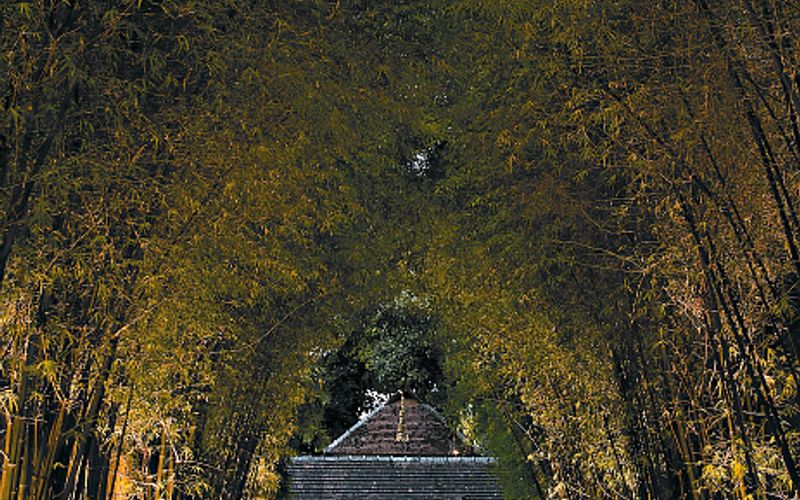
Built around a magnificent 200-year-old tamarind tree at its heart, this boutique hotel in Chiang Mai's old city treats the ancient as infrastructure rather than ornament. The tree's canopy shades a garden courtyard that anchors the property's Lanna-inflected design — terracotta roof tiles, teak timber detailing and hand-painted ceramics — creating a meditative retreat just steps from the historic city moat.
Original Purpose
Boutique hotel built around 200-year-old tamarind tree
Highlights
History Timeline
Chiang Mai's walled old city is laid out by King Mangrai; tamarind trees are planted along its lanes and temple compounds as shade and food sources.
A large tamarind tree takes root on what is now Ratchadamnoen Road in the old city, growing alongside the revival of Chiang Mai under Prince Kawila's resettlement programme.
Thailand transitions from absolute to constitutional monarchy; Chiang Mai's old-city precincts are mapped and zoned for the first time under the modern state.
Chiang Mai municipality establishes heritage zoning around the old-city moat, protecting ancient trees and traditional structures from commercial demolition.
Tamarind Village opens, built around the 200-year-old tamarind tree, with Lanna-style pavilions and gardens designed to frame and protect the ancient specimen.
Recognised by Condé Nast Traveller as one of Asia's top boutique hotels, praised for its integration of living heritage — the tamarind tree — into the guest experience.